Nearly three decades after Tupac Shakur was fatally shot on the streets of Las Vegas, a jury has delivered the first murder conviction in one of the most infamous cases in hip-hop history.
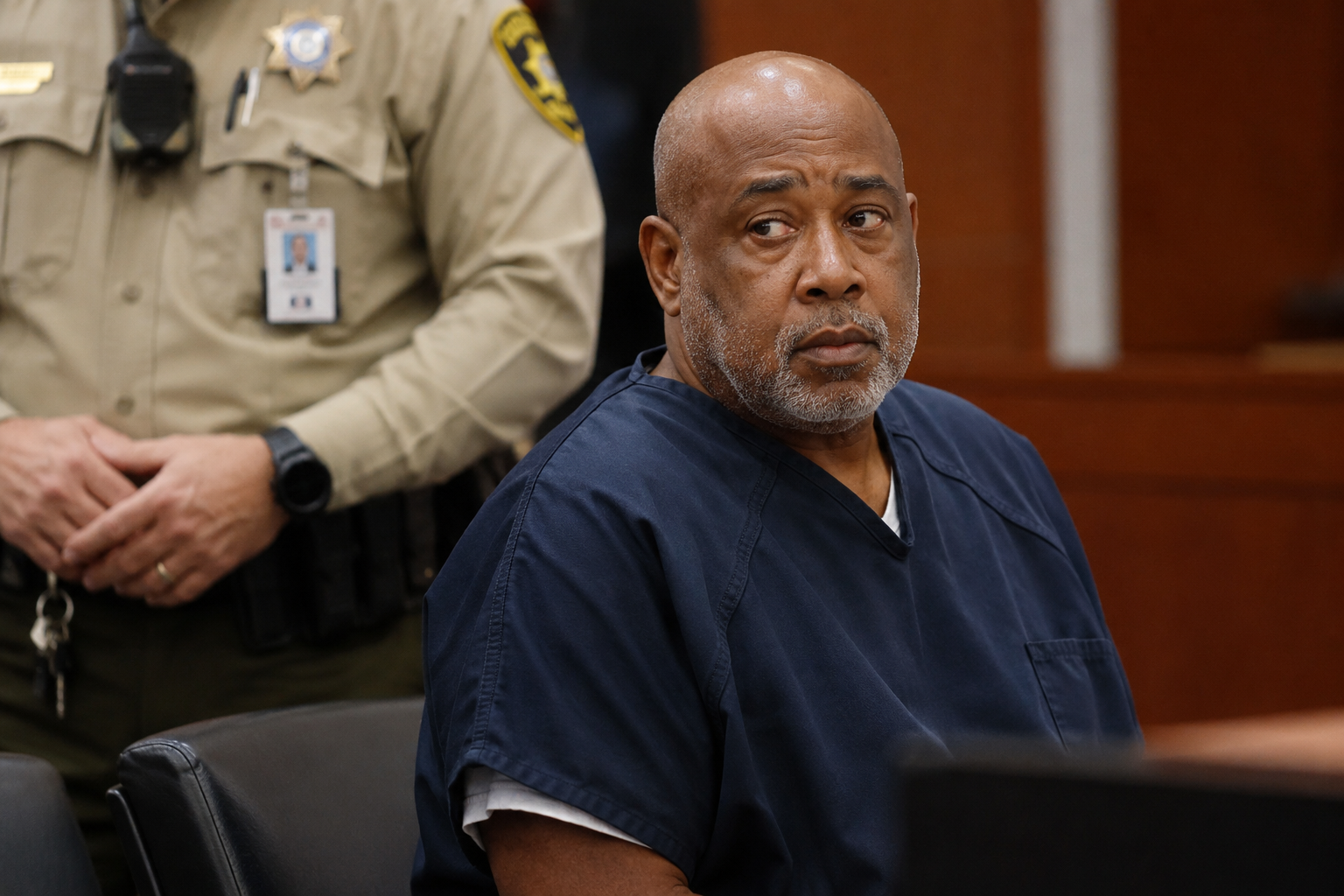
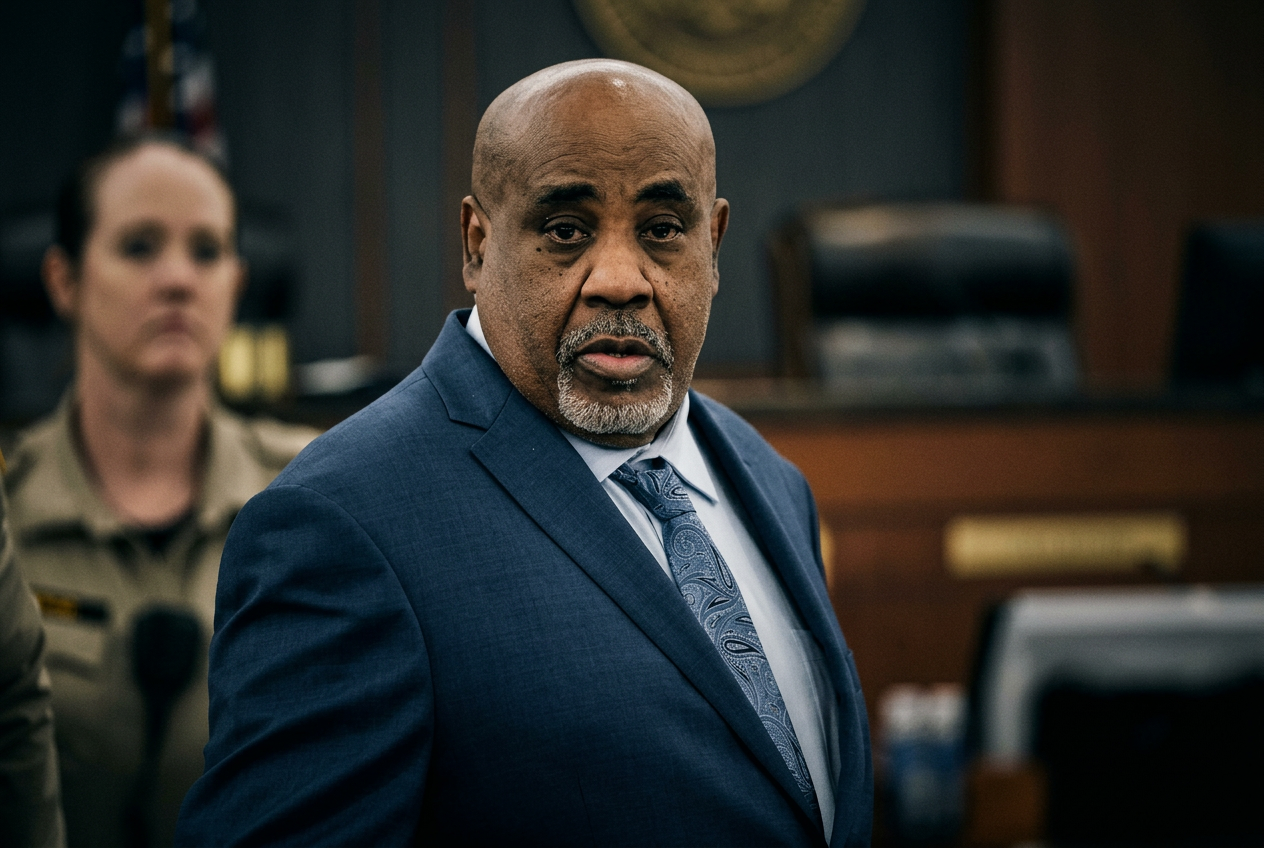
Duane “Keffe D” Davis was found guilty of first-degree murder with use of a deadly weapon in connection with the September 1996 drive-by shooting that killed Shakur. Jurors deliberated for less than three hours before reaching their unanimous verdict.
Davis was not accused of personally firing the shots that killed Tupac. Instead, prosecutors portrayed him as the organizer — the man who helped set the retaliation in motion after Tupac Shakur, Marion “Suge” Knight and others attacked Davis’ nephew, Orlando “Baby Lane” Anderson, at the MGM Grand earlier that night.
Chief Deputy District Attorney Binu Palal argued that Davis obtained a gun and went looking for Shakur and Knight following the casino confrontation. Under Nevada law, prosecutors did not need to prove Davis personally pulled the trigger if they established that he intentionally aided or orchestrated the murder.
The Case Against Keffe D
One of the most extraordinary aspects of the prosecution was how heavily the case relied on Davis’ own words.
For years, Davis publicly discussed the shooting through interviews, documentaries and his 2019 memoir, Compton Street Legend. Prosecutors presented recordings and previous statements in which Davis placed himself inside the white Cadillac involved in the shooting and discussed providing the gun.
The prosecution ultimately called 24 witnesses. The defense called three.
Davis did not testify.
His attorney Michael Sanft argued that Davis’ public stories were unreliable, exaggerated and sometimes fabricated for money and notoriety. The defense also emphasized the absence of traditional forensic evidence directly connecting Davis to the crime scene.
The jury rejected that argument.
What Happened the Night Tupac Was Shot?
On September 7, 1996, Tupac attended the Mike Tyson–Bruce Seldon boxing match at the MGM Grand in Las Vegas.
After the fight, Tupac, Knight and members of their entourage were involved in an attack on Orlando Anderson inside the casino.
Hours later, Tupac was riding in the passenger seat of a BMW driven by Knight when a white Cadillac pulled alongside them near Flamingo Road and Koval Lane.
Gunfire erupted.
Tupac was struck multiple times. Knight was wounded but survived.
Tupac died six days later, on September 13, 1996, at just 25 years old.
For decades, nobody was convicted.
That changed with Davis.
Why Keffe D’s Interviews Became So Important
Davis’ decision to repeatedly discuss the killing became a central element of the case against him.
Prosecutors played clips from interviews and recordings to the jury, including material in which Davis discussed being inside the Cadillac and his involvement surrounding the weapon.
After his 2023 arrest, prosecutors also presented a recorded jail call in which Davis complained that authorities were using his own statements against him.
The defense attempted to turn that weakness into its primary argument: Davis was a storyteller whose claims shouldn’t necessarily be treated as literal confessions.
Ultimately, the jury believed prosecutors had proven their case beyond a reasonable doubt.
Tupac’s Family Reacts
The verdict produced an emotional scene inside the Clark County courtroom.
Tupac’s sister Sekyiwa “Set” Shakur cried following the verdict and embraced prosecutors. Davis’ son was also present and reportedly covered his face with his hand as the verdict was announced.
For Tupac’s family and millions of fans, the conviction represents something many believed might never happen: someone being held criminally responsible for the rapper’s killing.
What Happens Next?
The case isn’t completely over.
Judge Carli Kierny ordered Davis held without bail, and his sentencing is scheduled for October 13, 2026.
Davis faces the possibility of life imprisonment, including potentially life without parole. He has already told the court that he intends to appeal his conviction.
That means the next major phase of the case will involve sentencing followed by what could become a lengthy appellate battle.
And one question may continue to generate debate even after the verdict:
Who actually fired the shots that killed Tupac Shakur?
The prosecution did not need to establish that Davis was the gunman to convict him. The verdict legally establishes his criminal responsibility for orchestrating the killing, but it does not necessarily settle every historical dispute surrounding exactly what happened inside that Cadillac.
After 30 years of theories, documentaries, interviews and investigations, however, the Tupac Shakur murder case finally has something it never had before:
a murder conviction.