
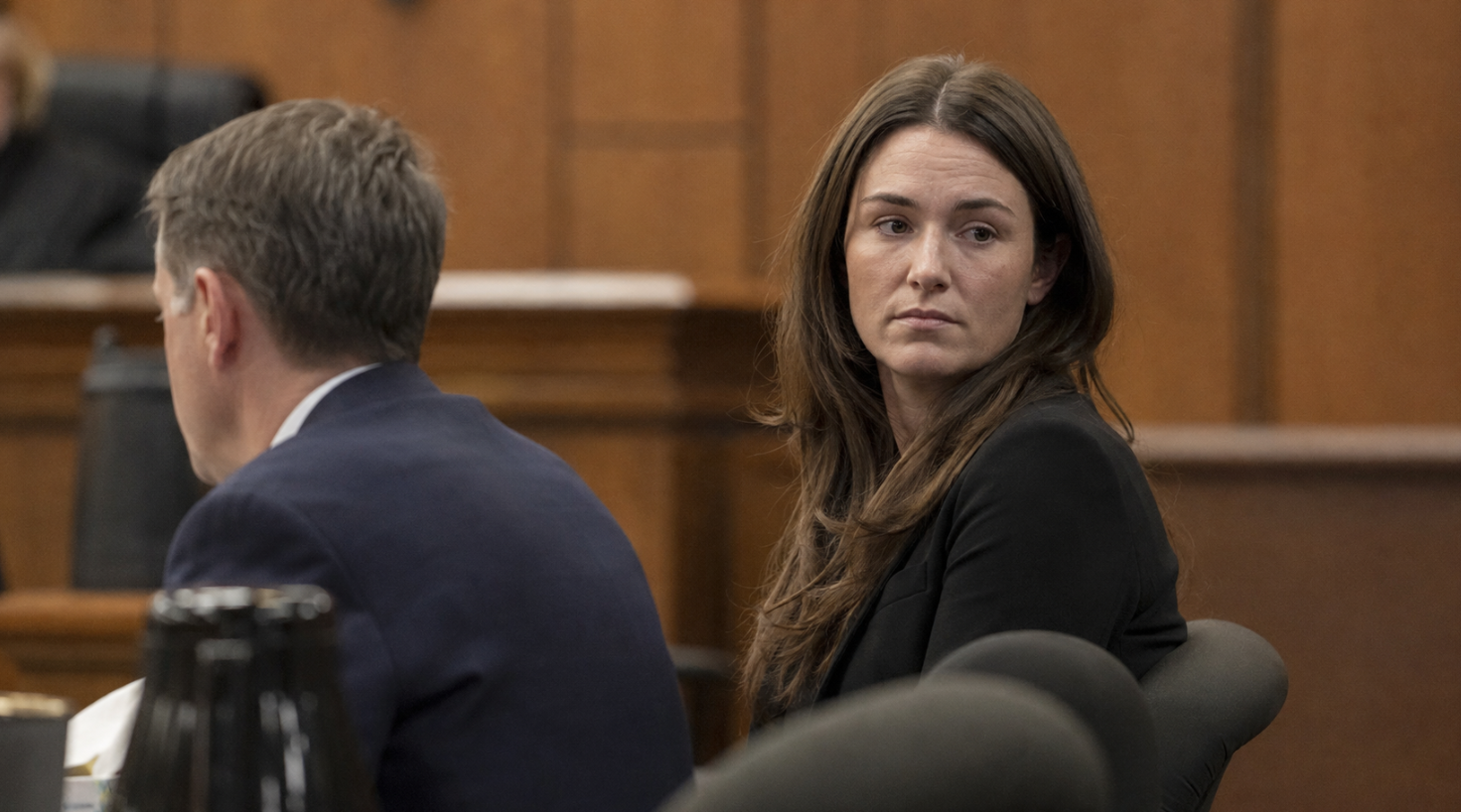
As of Saturday, August 29, 2026, jurors have completed two days of deliberations without reaching a verdict. They were dismissed for the weekend and are expected to resume deliberating Monday, August 31, at Plymouth Superior Court.
Clancy, a former labor and delivery nurse, is charged with three counts of murder and three counts of strangulation or suffocation in the deaths of her children: 5-year-old Cora, 3-year-old Dawson and 8-month-old Callan.
The children were killed inside the family’s Duxbury home on January 24, 2023. Prosecutors say Clancy strangled them with exercise bands after arranging for her husband, Patrick Clancy, to leave the house on errands.
Afterward, Clancy allegedly cut herself and jumped from a second-story window. She survived but sustained injuries that left her paralyzed.
What is being disputed?
There is little dispute over whether Clancy caused the children’s deaths. The trial has instead centered on her mental state and whether she should be held criminally responsible.
The defense argues that Clancy was suffering from postpartum psychosis, experienced command hallucinations and had lost contact with reality. Her attorneys also maintain that she received inadequate psychiatric treatment and was prescribed numerous medications during the months leading up to the killings.
Defense expert Dr. Phillip Resnick testified that Clancy was experiencing psychosis and believed she had been commanded to kill her children and herself.
Prosecutors acknowledge that Clancy was suffering from mental illness but argue that she was not legally insane and still understood what she was doing.
The prosecution contends that Clancy deliberately created an opportunity to be alone with the children by sending her husband to pick up medication and food. Prosecutors argue that her actions before, during and after the killings demonstrate planning, awareness and an understanding of right and wrong.
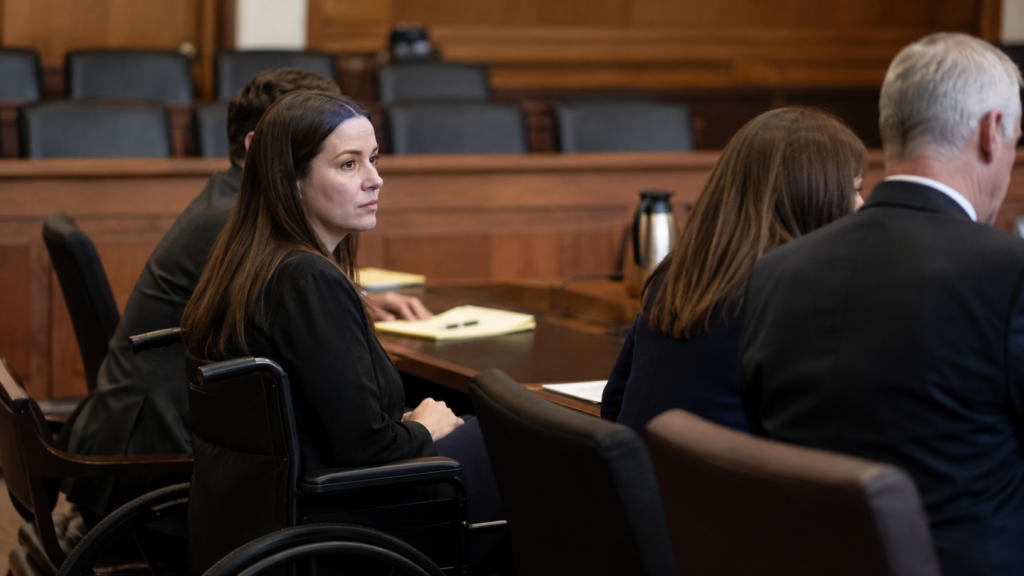
The opposing closing arguments
Defense attorney Kevin Reddington told jurors that Clancy’s actions resulted from a catastrophic psychiatric breakdown. The defense maintains that her illness—not anger, revenge or hatred—drove the killings.
Assistant District Attorney Jennifer Sprague argued that Clancy was depressed and suicidal but remained capable of making decisions. Prosecutors allege that Clancy killed her children because she viewed them as a “protective factor” that would otherwise prevent her from ending her own life.
The prosecution presented expert witnesses who disputed the postpartum-psychosis defense and questioned whether Clancy was experiencing hallucinations at the time of the killings.
Clancy did not testify during the trial.
What has the jury requested?
During deliberations, jurors asked to examine two significant categories of physical evidence:
- The bloody knife Clancy reportedly used to injure herself.
- Bags containing empty prescription-medication bottles recovered from the house.
The requests do not reveal how the jury is leaning. However, they suggest jurors are closely examining both Clancy’s actions after the killings and the medication evidence central to the defense’s argument.
The jury consists of nine women and three men.
What verdicts are possible?
The jury must determine whether prosecutors proved the criminal charges beyond a reasonable doubt and whether Clancy lacked criminal responsibility because of mental illness.
Potential outcomes include convictions on the charged offenses, convictions on lesser offenses, acquittals or findings of not guilty by reason of lack of criminal responsibility.
A murder conviction could result in life imprisonment. A finding that Clancy was not criminally responsible would not necessarily mean she would immediately be released. She could instead be committed to a secure psychiatric facility and remain confined while considered dangerous because of mental illness.
What happens next?
Jurors are scheduled to return Monday morning and continue deliberations.
Until the jury announces that it has reached a verdict—or reports that it cannot reach one—the court will remain on verdict watch.
The case has attracted national attention because it forces jurors to confront an extraordinarily difficult legal distinction: whether Clancy was mentally ill but still criminally responsible, or so impaired by postpartum psychosis that she could not appreciate the wrongfulness of her actions or conform her behavior to the law.
That question will ultimately determine whether Lindsay Clancy is sent to prison or committed for psychiatric treatment.
Sources: Associated Press trial overview, Associated Press deliberation coverage, CBS Boston trial updates.