radioonfire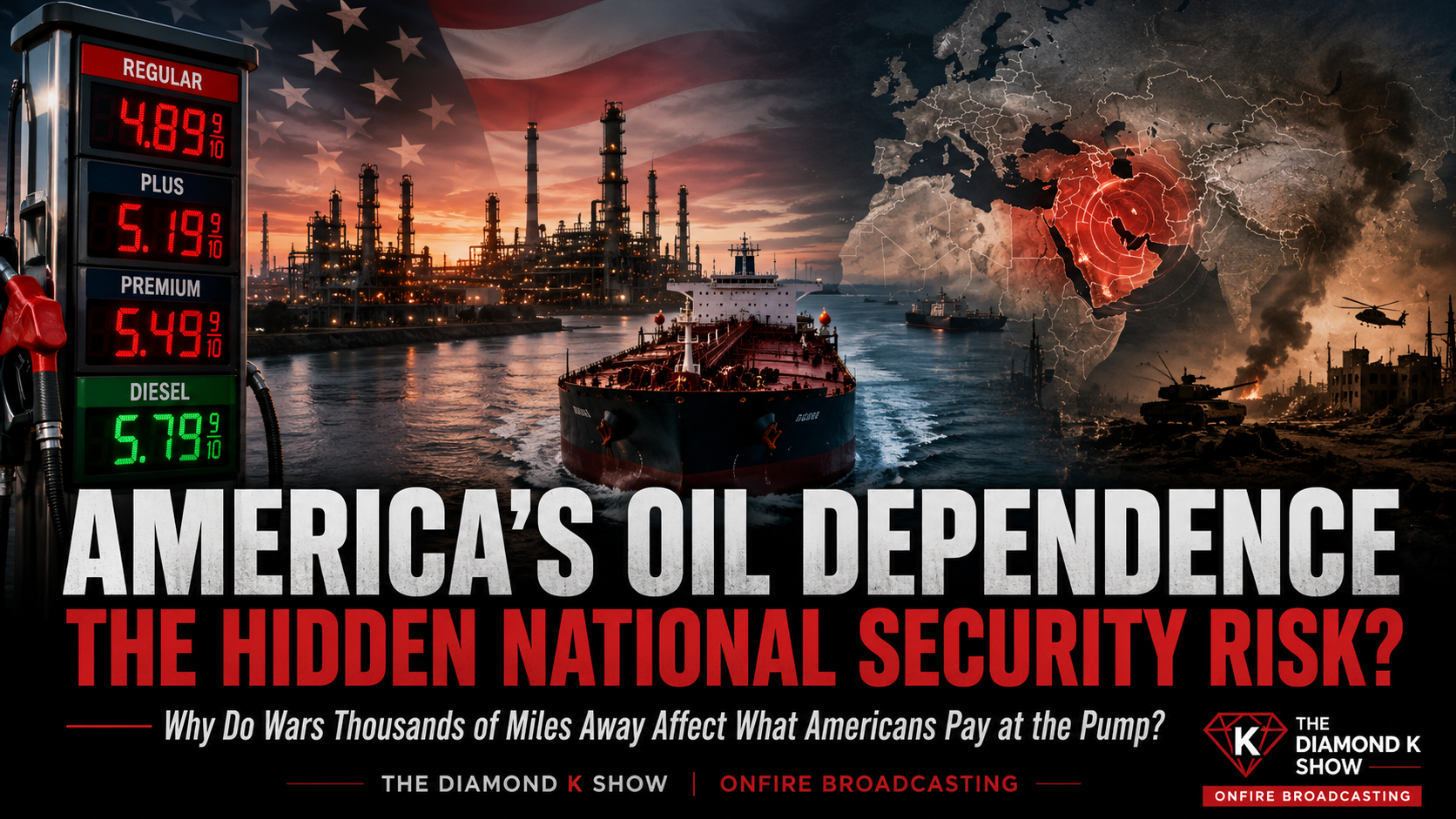
For generations, American leaders have described energy independence as both an economic and national security goal. Yet despite advances in renewable energy, electric vehicles, and domestic energy production, petroleum remains deeply embedded in the U.S. economy.
Every time tensions rise in the Middle East, Americans immediately begin asking the same question: “Will gas prices go up?”
That reaction reveals a larger issue. A conflict occurring thousands of miles away can still have a direct impact on American families because the global economy remains heavily dependent on oil. Shipping routes, refinery operations, and energy markets are interconnected, meaning disruptions anywhere in the supply chain can ripple across the world.
Critics of continued petroleum dependence argue that this vulnerability has shaped U.S. foreign policy for decades. Protecting access to global energy supplies has often been considered a strategic priority, leading some observers to question whether America would be less entangled in overseas conflicts if alternative energy sources played a larger role in the economy.
The argument is straightforward: when oil prices spike, transportation costs increase, goods become more expensive to move, inflation can rise, and consumers feel the impact almost immediately. Everything from groceries to airline tickets can be affected.
Supporters of rapid energy diversification say investments in renewable energy, nuclear power, battery storage, and electric transportation could reduce these vulnerabilities over time. They argue that reducing oil consumption isn’t just about climate policy—it’s also about national security and economic stability.
Others counter that petroleum remains essential to modern life and that domestic oil production, rather than reducing consumption, is the best path to energy security. They point out that oil is used not only for transportation but also in manufacturing, plastics, aviation, agriculture, and countless industrial processes.
Regardless of where one stands in the debate, one fact remains clear: as long as oil remains central to the global economy, events in distant regions will continue to influence prices, markets, and political decisions here at home.
The question for policymakers is whether America can build an energy future that is less vulnerable to geopolitical turmoil and less dependent on the instability of global oil markets.