For centuries, popes have spoken on politics.
From wars to human rights, from poverty to climate change, the Vatican has never been silent. The Catholic Church has consistently positioned itself as a moral compass in moments of global tension.
So in that sense, there’s nothing new about a pope weighing in on world affairs.
But what’s happening right now between Donald Trump and the Vatican feels different—and not in a subtle way.
This feels direct. Personal. And global all at once.
A Shift in Tone Traditionally, papal statements on war are broad and universal.
They emphasize peace. They call for restraint. They encourage diplomacy. But they rarely feel like they are aimed squarely at one leader or one administration.
That’s what makes this moment stand out.
The current rhetoric coming from the Vatican isn’t just philosophical—it’s pointed. It’s specific. And it’s being interpreted as a clear rebuke of how power is being exercised in the context of the Iran conflict.
When the Pope frames war as something that cannot be morally justified—or warns against invoking God to defend violence—that’s not just theology.
That’s a challenge.
Trump’s Counterpoint On the other side, Donald Trump is approaching the situation through a completely different lens.
For Trump and his supporters, the issue isn’t morality in the abstract—it’s security in the real world.
The argument is straightforward:
If Iran poses a nuclear threat, then action—possibly military action—is not just justified, but necessary.
From that standpoint, hesitation could be dangerous.
So while the Vatican is speaking in moral absolutes, Trump is speaking in strategic realities.
And that’s where the divide becomes impossible to ignore.
When Morality Meets Power This moment is bigger than two figures exchanging opposing views.
It represents a deeper collision:
Moral authority vs political authority
Spiritual doctrine vs national strategy
Global ethics vs national interest
And what makes it especially powerful is that it’s playing out in public.
There’s no quiet diplomacy here. No behind-the-scenes negotiation shaping the narrative.
This is happening in real time—with global audiences choosing how to interpret it.
Why This Hits Different Yes—popes have spoken out before.
But rarely does it feel like a direct confrontation with a U.S. president in the middle of an active geopolitical crisis.
And rarely does that confrontation tap into something this fundamental:
Not just what works …
But what’s right.
Because once a conflict shifts from strategy to morality, the stakes change.
It’s no longer just about outcomes—it’s about values.
The Bigger Question At its core, this moment forces a choice:
Do you prioritize security , even if it involves force?
Or do you prioritize morality , even if it limits action?
That’s not an easy question.
And it doesn’t come with a clean answer.
But it’s exactly why this situation feels different.
Final Thought This isn’t just a political clash.
It’s not just a religious statement.
It’s a rare moment where two powerful forces—faith and state—are speaking directly to the world at the same time, with completely different messages.
And when that happens…
People don’t just listen.
They choose sides.
Subscribe now
If you value independent analysis that cuts through political noise and focuses on facts, power, and accountability , subscribe to Diamond K Report on Substack.
You’ll get:
Deep dives into major political stories
Context the headlines leave out
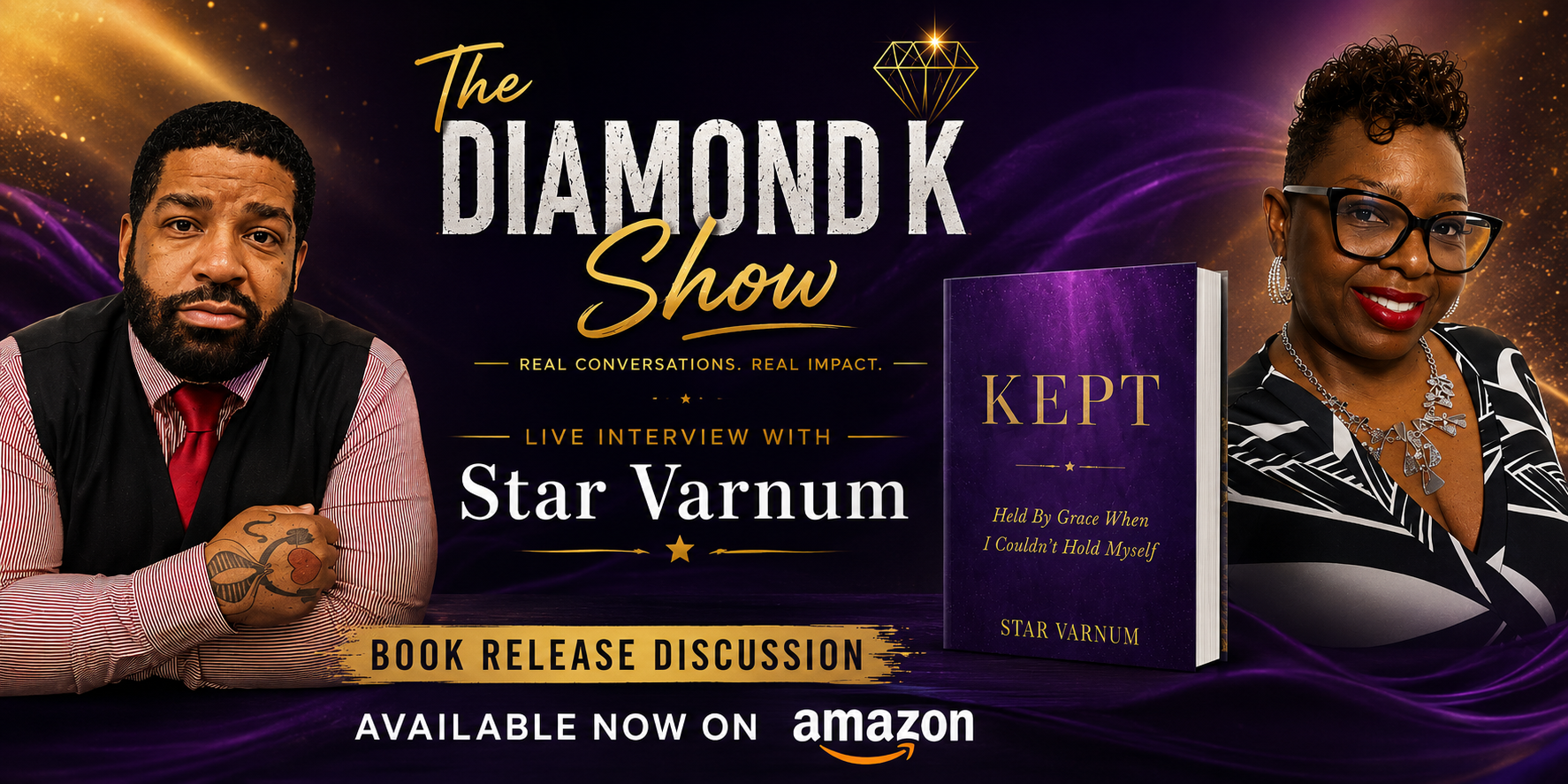
Exclusive commentary from The Diamond K Show
👉 Subscribe now and support independent media.